Tongits: How to Play, Rules & Strategy | 2026jl
Tongits is a Filipino-style card game where players build combinations, track discards, and choose carefully when to draw or end a hand. This guide explains the basic flow and practical decisions before you explore a Tongits Demo.
Tongits · cards
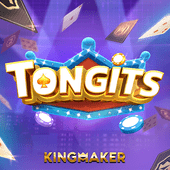
The Tongits listing presents a card-focused experience built around hand management and table awareness. Review the game details, then use the action below if you want to open the platform.
More card games to explore
Compare a few compact alternatives from the same card-game collection.
5 Card Poker
Cards Hi Lo
Coin Pusher
Coin Toss
A closer look at the Tongits game art
Start with the game cover: it identifies Tongits as a card experience, while the actual table gives you the information needed for each decision. Use the visual as a quick way to recognize the listing, then focus on your hand, the open combinations, and the discard pile during play.
In a real hand, visual attention is most useful when it helps you compare your cards with the combinations already laid down. Watch which ranks and suits leave the discard pile, notice repeated patterns, and avoid treating a single image or early turn as a prediction of the outcome. Tongits rewards steady observation across the whole hand.
What makes Tongits a hand-management game?
Tongits is a turn-based card game in which players work toward useful melds while reducing the risk of being left with ungrouped cards. The central experience is not simply collecting high cards; it is balancing possible combinations, the cards other players reveal, and the timing of a draw, discard, or end-of-hand decision.
Rules and turn details can vary by table or game implementation, so check the on-screen instructions before a session. In the familiar format, players arrange eligible cards into sets or runs, build on the visible table where permitted, and pay attention to the remaining cards in hand. A Tongits Demo can help newcomers learn the interface and turn sequence without assuming every version uses identical conditions.
For a first visit, identify the draw source, discard action, meld area, and any displayed end-hand option. Then read the round rules before making a move. The name 2026jl Tongits refers to this card-game listing on the 2026jl platform; it does not change the fundamental need to understand the specific rules shown in the game.
Quick takeaway: keep your combinations flexible, notice what has already been discarded, and make each move with the remaining hand in mind.
For a different pace between hands, you can also check the Jackpot Bingo game page; it offers a different kind of play from a turn-by-turn card table.
Practical ways to plan a Tongits hand
A sound Tongits approach is to keep options open early, use the discard history to refine your plan, and avoid holding a hand together around one unlikely combination. No tactic guarantees a result, but disciplined observation can help you make more informed choices.
1. Sort before committing
At the start of a hand, group cards that could form sets or sequences and note which cards are isolated. Prefer a plan that leaves more than one route to a meld. If a draw does not improve a promising group, reassess rather than keeping it only because it looked useful a turn ago.
2. Read the discard trail
Each discard gives partial information about the table, not a complete picture of another player's hand. Remember useful ranks and suits, but do not assume a card is safe just because one copy has appeared. The same habit makes a Tongits Demo more instructive: review the table state after every turn and connect a choice to the cards that were visible at that point.
3. Balance progress and exposure
A card that completes a meld may be valuable, while a high-value loose card can increase what remains at risk if the round ends. Compare those considerations with the current rules and the opponents' pace. Keep the aim practical: reduce avoidable deadwood while retaining enough flexibility to respond to new draws.
4. Know the end-hand conditions
Before choosing to knock or continue, understand the threshold and comparison rules the table uses. Those conditions differ among versions. A careful player checks the rule panel first, then weighs the hand they can prove against the chance that another turn improves their position. In 2026jl Tongits, always let the displayed game instructions govern the decision.
Take breaks when attention slips. Card tracking depends on concentration, and no system can remove chance from the next draw. If you are exploring 2026jl download apk options, verify the platform's own download and device guidance through the official information page rather than installing files from an unknown source.
Read the 2026jl Download informationReady to try a Tongits round?
If you understand the basic flow and have checked the round rules, the next step is to open the game and learn its controls at your own pace. The action below goes through the same 2026jl platform entry used elsewhere on this site; review any terms and limits shown before you decide to participate.
A Tongits Demo is useful for getting comfortable with the screen, but treat practice as a way to learn the interface—not as a promise about future hands. Set a personal time limit, keep decisions measured, and stop if play no longer feels enjoyable. The 2026jl vip label describes a platform program; review its eligibility, benefits, and conditions directly before deciding whether it is relevant to you.
18+ only. Play responsibly and follow the applicable rules in your location.
How Tongits compares with other card picks
Choose by the kind of decision-making you want: Tongits emphasizes evolving hands and table reads, while other listings may focus on poker hands, a high-or-low choice, or a simpler chance-led interaction. These dimensions help set expectations; they are not claims that one game is better or more favorable.
| Game | What to compare |
|---|---|
| Tongits | Hand building, discards, and timing decisions over several turns. |
| 5 Card Poker | How the listed poker rules define hands and compare outcomes. |
| Cards Hi Lo | A more immediate choice structure; check the round's own instructions. |
| Coin Toss | A simpler choice experience with less emphasis on forming a hand. |
Before switching, look at the controls, pace, and rules of each listing. Coin Pusher is another title in the site's card category, but its interaction differs from a traditional meld-focused Tongits hand.
Where Tongits fits in the 2026jl experience
Tongits is one game listing within the 2026jl card collection; its entry point, platform guidance, and account information are separate parts of the wider site experience. The relationship is straightforward: the game provides the table, the platform provides navigation and access, and the player chooses whether and how to take part.
- Game: Tongits is categorized as cards and centers on hand combinations and turn-by-turn decisions.
- Discovery: related listings such as 5 Card Poker and Cards Hi Lo offer different rule sets to compare.
- Platform information: details about app access and account features should be checked on their dedicated information pages.
- Responsible participation: the game does not guarantee a particular result; use personal limits and follow local requirements.
If you want a clear explanation of site navigation and common account topics, visit the 2026jl FAQs. For account or VIP terms, rely on the current conditions presented by the platform rather than assuming that a feature applies to every player.
Keep the distinction clear: a Tongits strategy can organize decisions, but it cannot predict the next draw or replace the rules displayed in a specific version.